Exploring Native Oak Trees in Uwharrie National Forest
Uwharrie National Forest, located in the heart of North Carolina, is rich in biodiversity. Within this 50,000-acre expanse, you'll find a rich variety of native plant species, including several species of oak trees. Oak trees are not only ecologically important but also culturally significant. Let's take a closer look at three native oak species that naturally occur in Uwharrie National Forest.
- Quercus alba - white oak
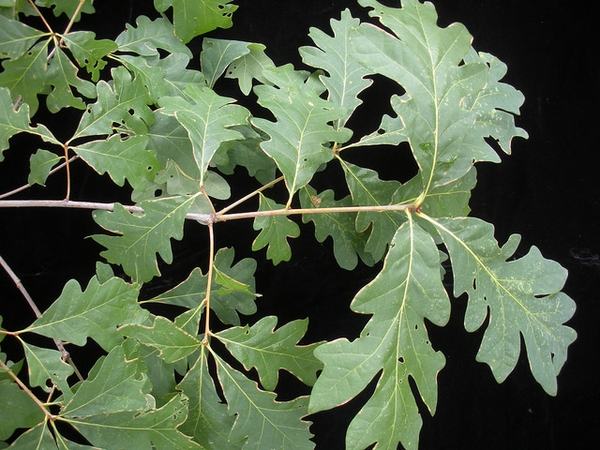
The white oak (
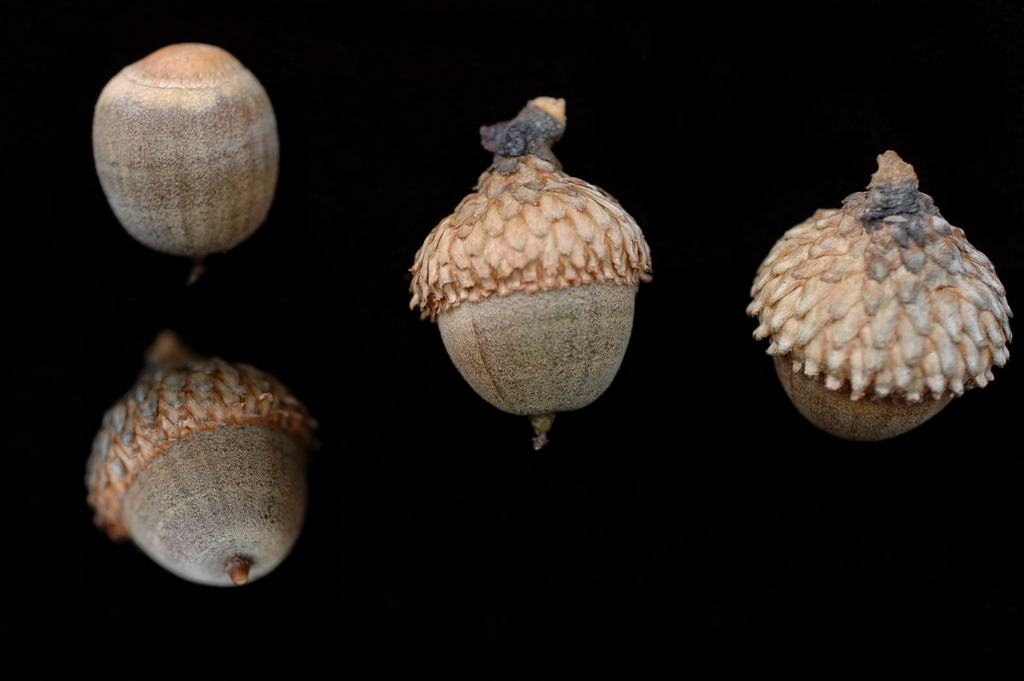
Quercus alba) is a stately tree with a broad canopy and distinctive, deeply-lobed leaves. It's one of the most iconic oak species in North America and can be found in abundance in Uwharrie National Forest. White oaks are known for their valuable timber, which has been used in furniture, flooring, and even in the construction of boats and barrels. They also produce acorns, a crucial food source for wildlife, including deer, turkeys, woodpeckers, and squirrels. The leaves of the white oak turn crimson red in the fall, making it a favorite among hikers and nature enthusiasts.
- Quercus falcata - southern red oak
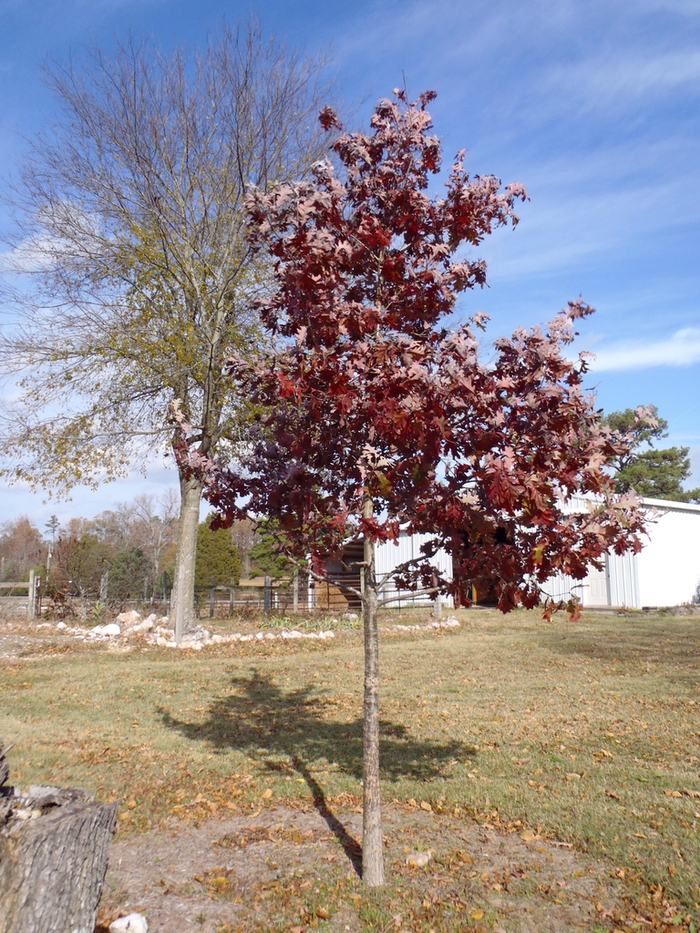
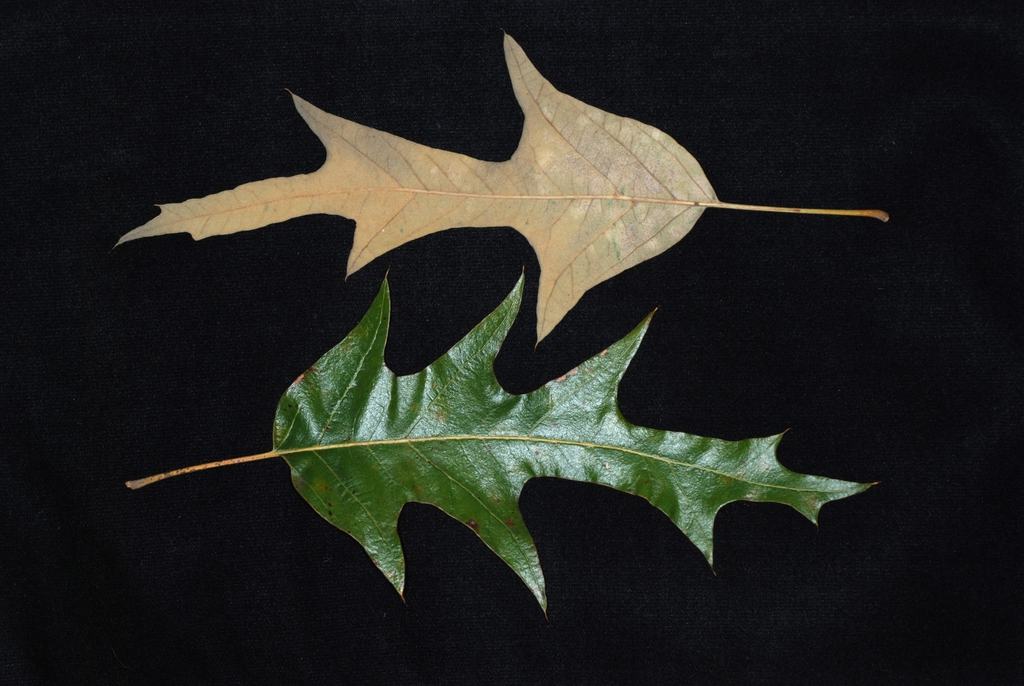
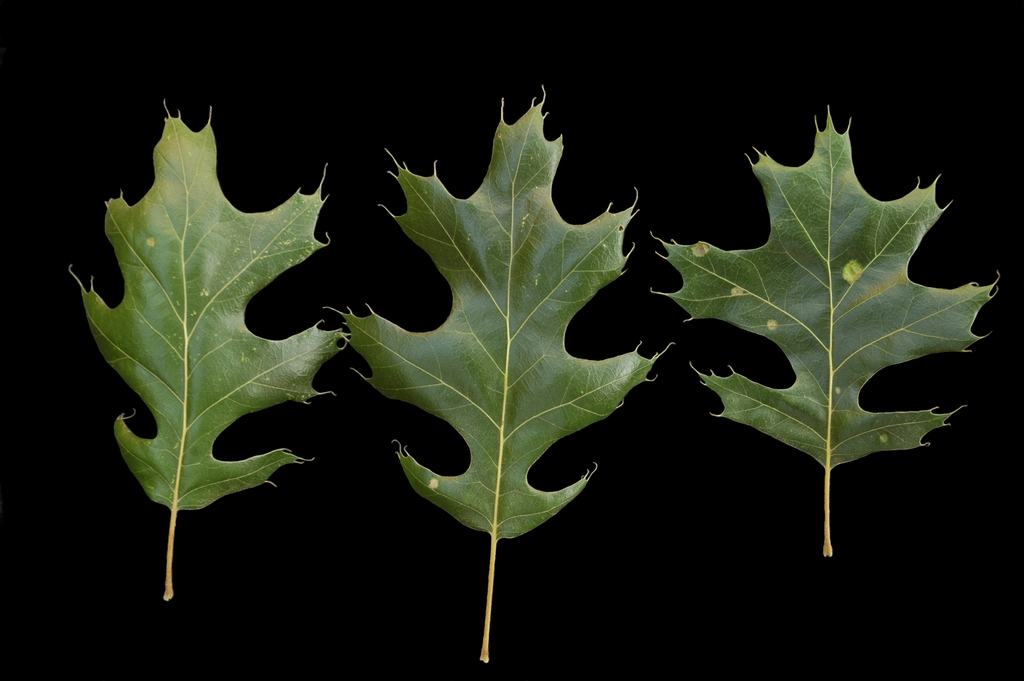
The southern red oak (
Quercus falcata) is another prominent tree species in Uwharries. It is recognizable by its distinctive, bristle-tipped leaves and vibrant red fall foliage. Like all oaks, it provides many wildlife species with food. The wood of the southern red oak can be used for lumber and pulpwood. In addition to its ecological significance, it adds natural beauty to the forest with its colorful leaves in the autumn. The spiked lobes of the leaves are curved similarly to the beak of a bird of prey, like a falcon, and this can be a helpful reminder when identifying
Quercus falcata in the woods.
- Quercus velutina - black oak
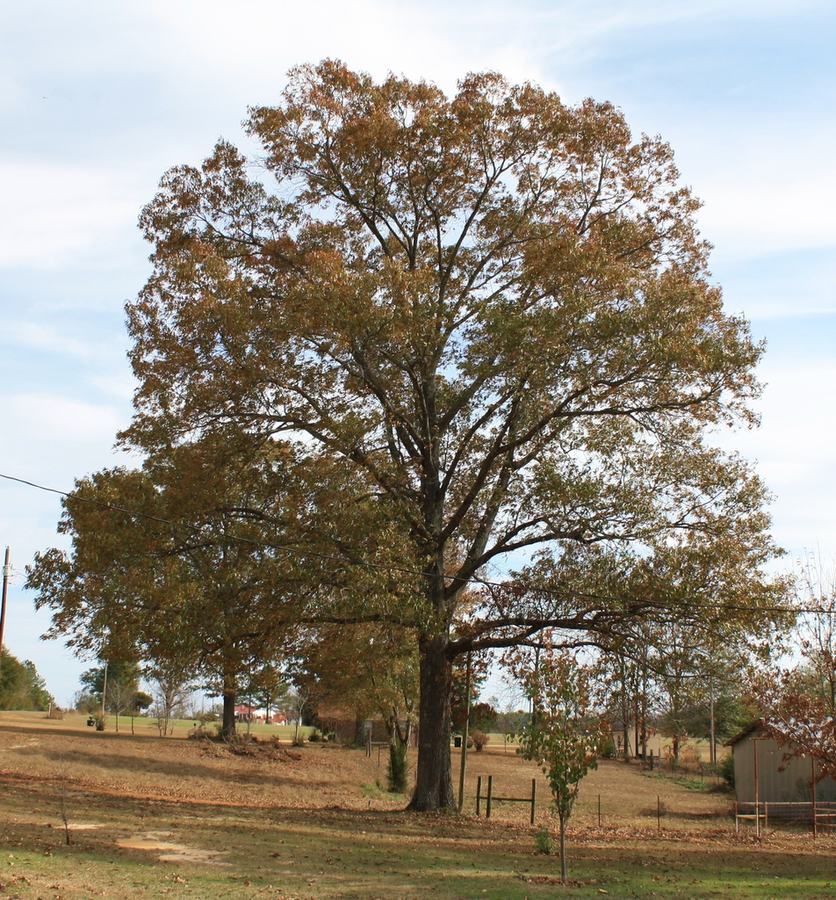
The black oak (
Quercus velutina) is a less common but equally fascinating tree species in Montgomery County. The common name originated from their dark bark. The epithet (velutina) means velvety or hairy in reference to the fine hairs found on buds and young leaves. Black oaks, like other oaks, feed many wildlife species including racoons and woodpeckers. These trees often thrive in well-drained upland soils, which are prevalent in elevated parts of Uwharrie National Forest. The black oak's timber is used for lumber and is sometimes incorporated into the construction of buildings and furniture.
Conservation and Appreciation
It is important to note that these native oak species play a crucial role in the forest ecosystem. They provide habitat and sustenance for many animals and contribute to the overall health and biodiversity of the forest. Preserving the natural habitat and ensuring responsible forest management is essential to protect these valuable species.
As you explore Uwharrie National Forest, take a moment to admire these native oak trees, recognizing their role in both the natural world and in North Carolina's cultural heritage.
And now, for a promised lyric. Please humor and forgive me. Hopefully Merle would be proud. And liked trees. Who doesn't?
We don't mind forest fires in Uwharrie
As long as they’re controlled responsibly
You won’t see our saplings down on Main Street
'Cause Uwharrie’s where we sow our nuts and seeds
We don’t make a party out of lovin’
But we like holding roots and droppin’ food
We don’t let our canopy get too shaggy
Like the beech trees down underneath us do
And I’m proud to be an Oak-y from Uwharrie!
A place where deer and squirrel can have a ball,
We reach to the sky with our long branches, by golly,
And our brothers tower over ‘hundred foot tall
Nature thrives around our woody root flare
Mushrooms and racoons may be often seen
A gust of wind or stormy night won’t stop us
And the turkey’s roost for free, guaranteed
And I’m proud to be an Oak-y from Uwharrie!
A place where deer and squirrel can have a ball,
We reach to the sky with our long branches, by golly,
And our brothers tower over ‘hundred foot tall
And our brothers tower over ‘hundred foot tall
In Uwharrie National Forest, North Carolina, USA!
Stick around for the next edition of Flora Friday on November 17. See ya next time! - O